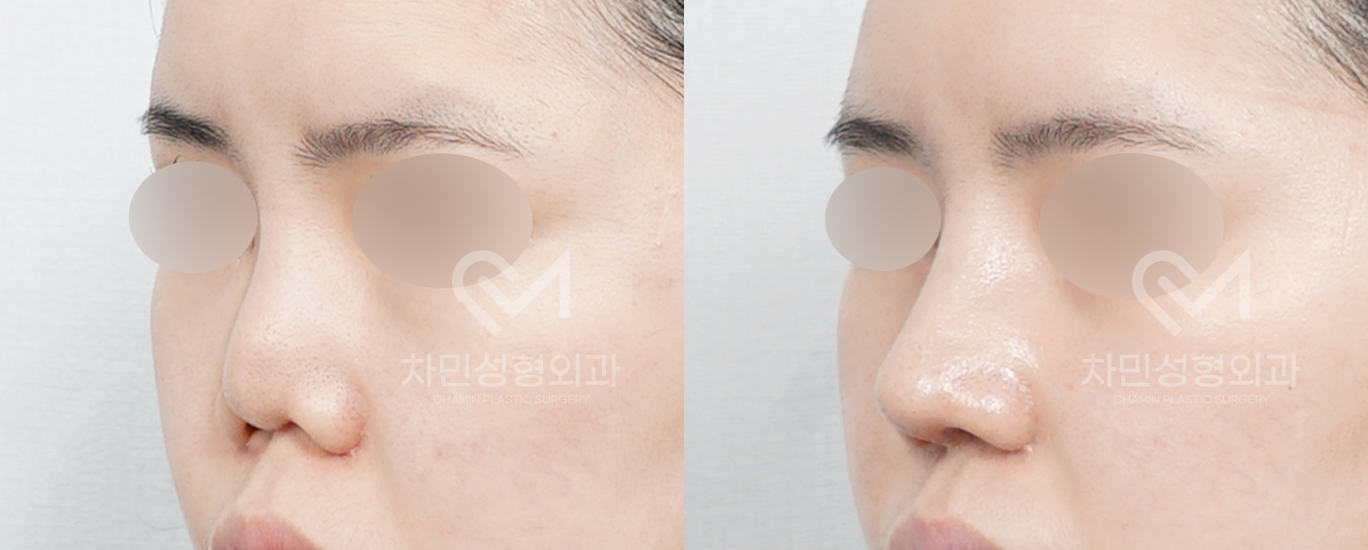
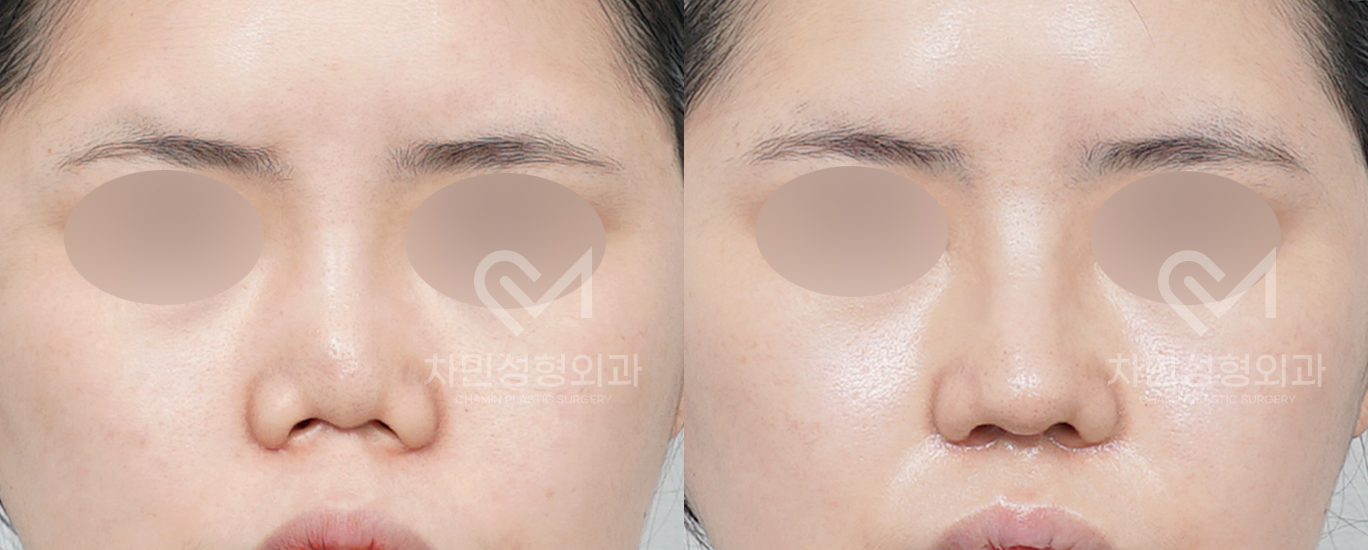
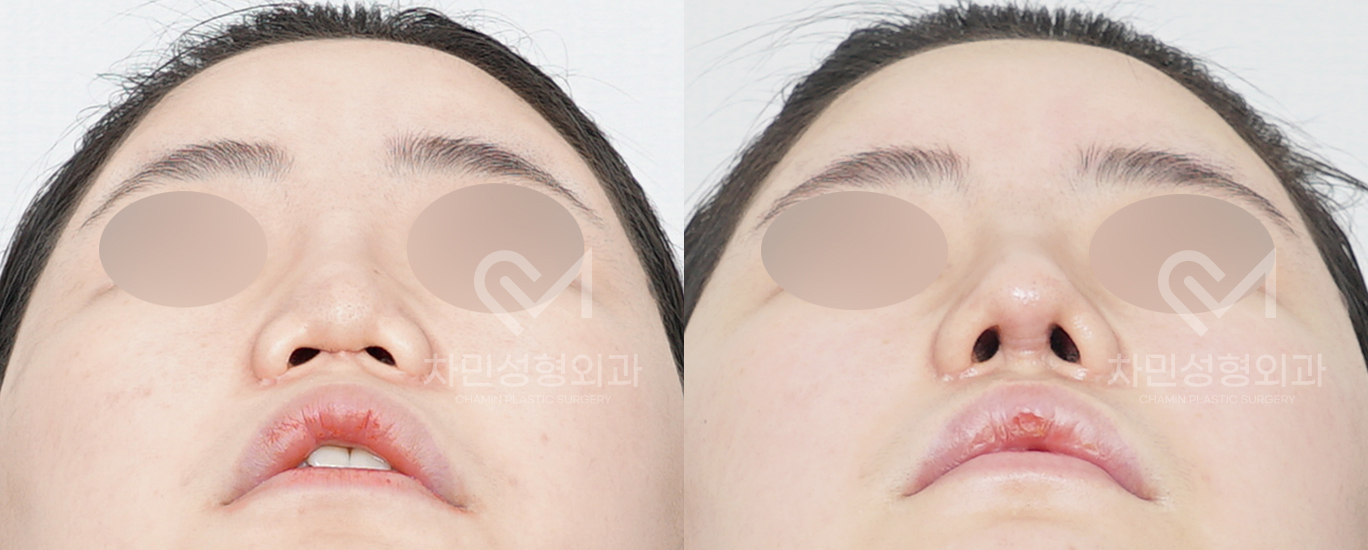
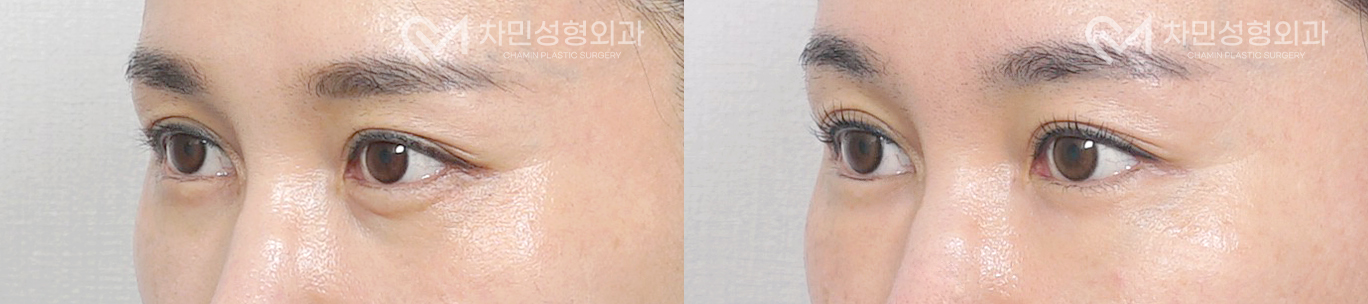
Total Nose Implant Removal
Restore the nose bridge implant and tip
cartilage to the original shape without deformation
cartilage to the original shape without deformation

Language 


Language 
About Us
Revision & Reconstruction Rhinoplasty
Implant Removal
Rhinoplasty
Anti-Aging Surgery
Eye Surgery
Before & After / Reviews
About Us
Revision & Reconstruction Rhinoplasty
Implant Removal
Rhinoplasty
Anti-Aging Surgery
Eye Surgery
Before & After / Reviews
 Surgery Time
2 hours
Surgery Time
2 hours
 Anesthesia Method
Sedation / General Anesthesia
Anesthesia Method
Sedation / General Anesthesia
 Stitch Removal
7 days
Stitch Removal
7 days
 Hospitalization
Same-day discharge
Hospitalization
Same-day discharge
 Recovery Period
7 days
Recovery Period
7 days



Occurrence of Inflammation

Implant Protrusion/Transparency

Foreign Body Sensation/Pain

Psychological Anxiety
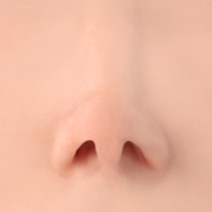
Contracted Nose/Uplifted
Tip

Crooked Columella
/Deviated Nose

Nostril
Asymmetry
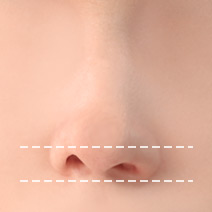
Nasal Tip Cartilage
Deformation/Damage

Pinched
Nostrils/Tip
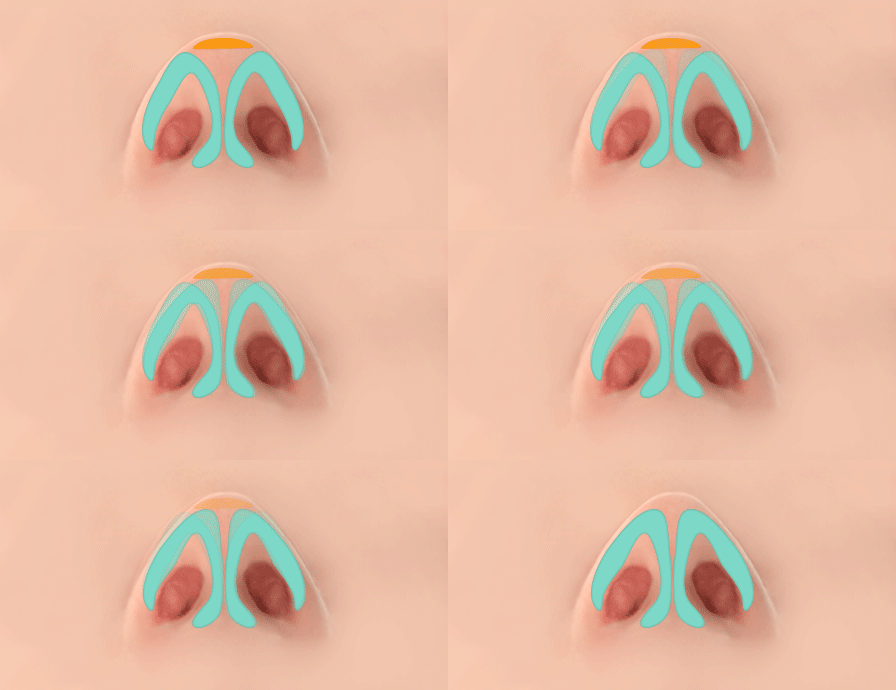
At Chamin, implant removal is always performed together
with nasal tip cartilage repositioning to maintain the tip shape and prevent deformities.
Motaeko (Born Nose) rhinoplasty is a surgical method developed by Director Sung Kee Min of Chamin Plastic Surgery,
based on his extensive experience and expertise in nose implant removal procedures.

POINT 1. Removal of Capsule and Scar Tissue
If the capsule is not removed together, it can cause complications. Therefore, we conduct precise analysis of the nose and, if necessary, remove both the capsule and scar tissue.

POINT 2. Cartilage Restoration
Deformed nasal tip cartilage causing asymmetry, pinched tip, contracture, or columella deformity is corrected, restoring the nose to its natural appearance.

POINT 3. Nasal Tip Cartilage Repositioning
To prevent nasal tip deformities,
the nasal tip cartilage is repositioned,
restoring the nose to its original shape and position.
If the implant is completely removed, can the nose return to its original, natural state?
It depends on the reason for removal, but if there were no complications, the nose can almost return to its natural state. Since the original skin and cartilage damage is not severe, complete removal can restore the natural appearance. However, if there was inflammation, skin thinning, implant show-through, or severe cartilage damage, simply removing the implant will not be enough, and additional corrective measures will be required.
After removal surgery, will contracture or tip-up occur?
Unless the inflammation has been left untreated for a long time, the nose will not become more upturned or contracted after removal. Contracture that occurs during healing can be managed externally with taping and other methods. However, if inflammation has been present for a long time, the internal scar tissue (contracture) can become severe. In such cases, even after the problem is treated, some of this tightness may remain, potentially causing the nose to look slightly shorter or more upturned.
As a surgeon who performs many revision and reconstructive nose surgeries,
I have met numerous patients who have suffered for a long time due to multiple nose surgeries.
Therefore, I deeply understand the concerns of those hesitating about revision rhinoplasty, and I will do my utmost to ensure this will be their final surgery.
Chief Director Sung Kee Min 
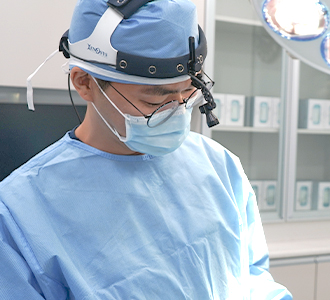
 Responsible Care by the Operating Surgeon
From the initial consultation to surgery, treatment, and follow-up, the surgeon directly oversees every step, providing only the best solution through comprehensive consultation and communication.

Precision
Analysis System
Using 3D-CT imaging and an endoscope, we examine the condition of the nasal bone, cartilage, and any disorders to precisely analyze the internal structure of the nose and establish a surgical plan.

Honest
Medical Care
At Chamin, we provide personalized surgical care through clear and attentive communication with our patients. Our commitment is not just to the final result, but to every step of your journey with us. We are dedicated to a process founded on the highest standards of surgical excellence, ethical integrity, and personalized care, ensuring you feel confident and supported from consultation to recovery.

Thorough Post-Operative Care System
Since management and recovery are crucial after any surgery, we provide the best possible care through our comprehensive post-operative care system.
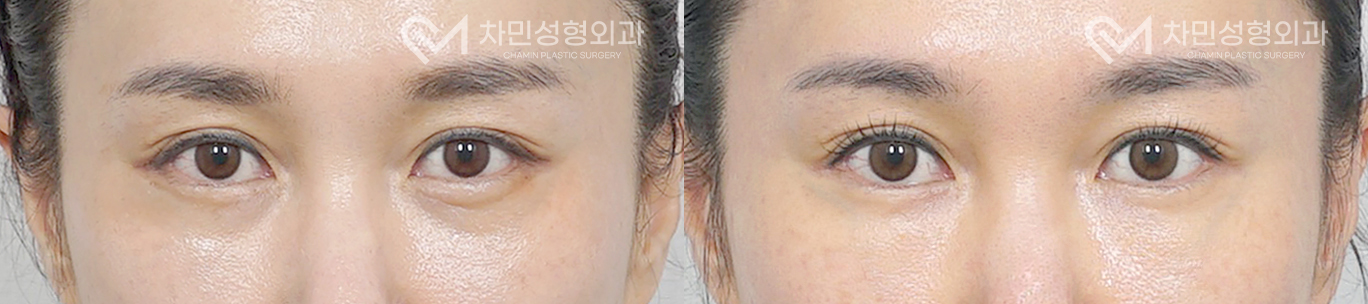
Before & After




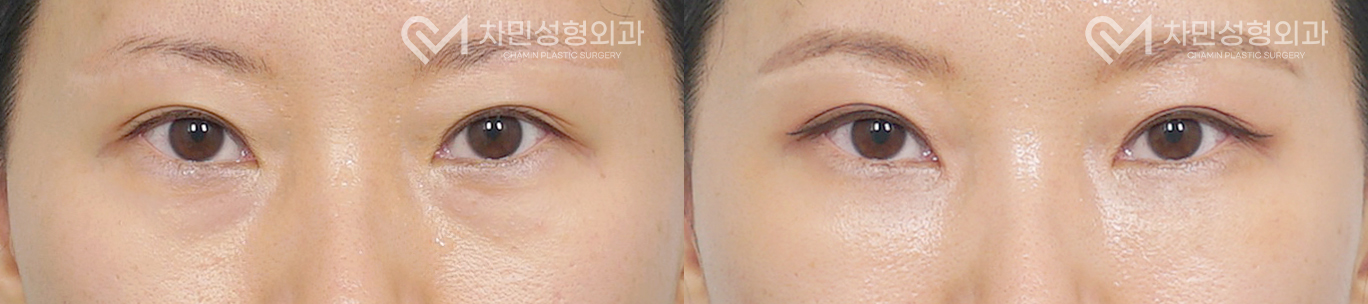


* Postoperative complications such as bleeding, infection, and inflammation may vary in severity depending on the individual, and therefore require careful attention.


 250m from Exit 2 of Sinnonhyeon Station
 300m from Exit 4 of Nonhyeon Station